Buy messgeräte.eu ?
We are moving the project
messgeräte.eu .
Are you interested in purchasing the domain
messgeräte.eu ?
domain@kv-gmbh.de · 0541-91531010
Buy messgeräte.eu ?
How are Latin subjunctive subordinate clauses still translated with the subjunctive?
Latin subjunctive subordinate clauses are still translated with the subjunctive in English to convey the same sense of uncertainty, possibility, or doubt. In English, the subjunctive mood is used to express hypothetical or unreal situations, wishes, recommendations, or demands. Therefore, when translating Latin subjunctive subordinate clauses, the English subjunctive is used to maintain the same mood and meaning of the original Latin sentence. **
Perhaps, subjunctive or indicative?
The choice between subjunctive or indicative depends on the context of the sentence. The subjunctive mood is used to express hypothetical or uncertain situations, wishes, recommendations, or doubts. On the other hand, the indicative mood is used for statements of fact or certainty. Therefore, if the sentence is expressing a possibility, doubt, or desire, the subjunctive mood would be more appropriate. **

Similar search terms for Subjunctive
Top-Angebote
Products related to Subjunctive:
-
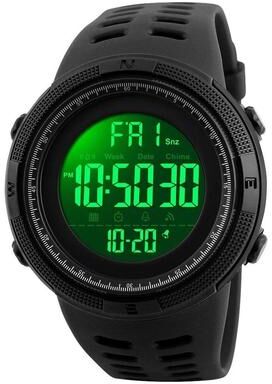
All Categories Goods Waterproof Chronograph Men's Digital Army Military Sport Quartz Analog Watch Waterproof Chronograph Men's Digital Army Military Sport Quartz Analog WatchDurable, Stylish, and Practical The Chronograph Men's Digital Army Military Sport Quartz Analog Waterproof Watch is designed for those who value both functionality and style. Featuring a sleek, militaryinspired design, this watch effortlessly...49,97 $*Shipping: 0,00 $Secure redirect to the provider
-
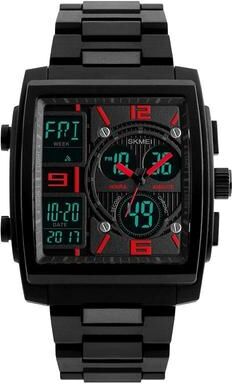
Everyday Crate SKMEI 1274 Digital Sports Watch Mens Waterproof Watch Analog Digital Outdoor Wristwatch redExperience reliable performance and sporty style with the SKMEI watch built for active men and everyday adventures. Combining analog and digital displays, this versatile timepiece keeps essential information at your fingertips while maintaining a...44,97 $*Shipping: 0,00 $Secure redirect to the provider
-
Uplift Essentials RGB Nixie Tube Clock IPS Color Screen Analog Glow Digital Desktop Decor RGB Nixie Tube Clock IPS Color Screen Analog Glow Digital Desktop DecorMerge vintage aesthetics with cuttingedge technology using our RGB Nixie Tube Clock. This stunning DIY analog digital timepiece reimagines the iconic 1950s nixie tube look by utilizing highdefinition IPS color screens housed within protective glass...196,97 $*Shipping: 0,00 $Secure redirect to the provider
-
Uplifted Trends Men Digital Analog Quartz Waterproof Luminous Sports Watch brgbUpgrade your everyday style with a timepiece built for confidence, comfort, and versatility. This NAVIFORCE men's watch combines classic analog hands with a modern digital display, creating a bold look for men who value both fashion and function....84,97 $*Shipping: 0,00 $Secure redirect to the provider


-
Maybe subjunctive or indicative?
The choice between subjunctive or indicative depends on the context of the sentence. The subjunctive mood is used to express doubt, uncertainty, desire, or hypothetical situations, while the indicative mood is used for statements of fact or certainty. To determine whether to use subjunctive or indicative, consider the verb's relationship to reality and whether it is expressing a fact or a possibility. **
-
Conditional, subjunctive or indicative?
The choice between conditional, subjunctive, or indicative mood depends on the context of the sentence. The conditional mood is used to express a hypothetical situation or a condition that is dependent on something else happening. The subjunctive mood is used to express wishes, recommendations, or possibilities. The indicative mood is used to state facts or ask questions. **
-
What is the use of the present subjunctive and the past subjunctive?
The present subjunctive is used to express desires, doubts, wishes, or hypothetical situations in the present or future. It is often used after certain verbs and conjunctions that indicate uncertainty or subjectivity. The past subjunctive, on the other hand, is used to express desires, doubts, wishes, or hypothetical situations in the past. It is often used in the same way as the present subjunctive, but in reference to past events or situations. Both subjunctive forms are used to convey uncertainty or subjectivity in a sentence. **
-
Are the subjunctive I and the subjunctive II present in all tenses?
No, the subjunctive I and subjunctive II are not present in all tenses. The subjunctive I is only present in the present tense, while the subjunctive II is present in the past tense. The subjunctive I is used to express wishes, suggestions, or hypothetical situations in the present, while the subjunctive II is used to express wishes, suggestions, or hypothetical situations in the past. Each tense has its own specific form of the subjunctive mood. **


Which poems contain the subjunctive?
Poems that contain the subjunctive mood often express wishes, desires, doubts, or hypothetical situations. Some examples of poems that use the subjunctive include "If I Could Tell You" by W.H. Auden, "Ode to a Nightingale" by John Keats, and "The Love Song of J. Alfred Prufrock" by T.S. Eliot. These poems use the subjunctive to convey a sense of uncertainty, longing, or contemplation, adding depth and complexity to the themes explored in the poems. **
Would we use the subjunctive?
We would use the subjunctive mood in English to express wishes, hypothetical situations, recommendations, or demands. It is used to convey uncertainty, doubt, or desire. The subjunctive is typically used after certain verbs, expressions, or conjunctions that indicate these types of situations. **
Top-Angebote
Products related to Subjunctive:
-
Drop Dash Deals Men Digital Military Sport Watch, Waterproof Analog & LED Backlight Men Digital Military Sport Watch, Waterproof Analog & LED BacklightThis 1pc Men's Digital Military Sport Watch is designed for the man who enjoys the perfect combination of style and durability. Whether you're heading outdoors or working through intense workouts, this waterproof watch is built to withstand the...44,97 $*Shipping: 0,00 $Secure redirect to the provider
-
Multicon Wholesale Hub Military Sports Chronograph Waterproof Analog Digital Watch For Men Military Sports Chronograph Waterproof Analog Digital Watch For MenLooking for a timepiece thats as durable as it is stylish The Chronograph Men's Digital Army Military Sport Quartz Analog Waterproof Watch is perfect for men who demand performance, reliability, and versatility in one rugged design. With a robust...73,97 $*Shipping: 0,00 $Secure redirect to the provider
-
All Categories Goods Waterproof Chronograph Men's Digital Army Military Sport Quartz Analog Watch Waterproof Chronograph Men's Digital Army Military Sport Quartz Analog WatchDurable, Stylish, and Practical The Chronograph Men's Digital Army Military Sport Quartz Analog Waterproof Watch is designed for those who value both functionality and style. Featuring a sleek, militaryinspired design, this watch effortlessly...49,97 $*Shipping: 0,00 $Secure redirect to the provider
-
Everyday Crate SKMEI 1274 Digital Sports Watch Mens Waterproof Watch Analog Digital Outdoor Wristwatch redExperience reliable performance and sporty style with the SKMEI watch built for active men and everyday adventures. Combining analog and digital displays, this versatile timepiece keeps essential information at your fingertips while maintaining a...44,97 $*Shipping: 0,00 $Secure redirect to the provider
-
How are Latin subjunctive subordinate clauses still translated with the subjunctive?
Latin subjunctive subordinate clauses are still translated with the subjunctive in English to convey the same sense of uncertainty, possibility, or doubt. In English, the subjunctive mood is used to express hypothetical or unreal situations, wishes, recommendations, or demands. Therefore, when translating Latin subjunctive subordinate clauses, the English subjunctive is used to maintain the same mood and meaning of the original Latin sentence. **
-
Perhaps, subjunctive or indicative?
The choice between subjunctive or indicative depends on the context of the sentence. The subjunctive mood is used to express hypothetical or uncertain situations, wishes, recommendations, or doubts. On the other hand, the indicative mood is used for statements of fact or certainty. Therefore, if the sentence is expressing a possibility, doubt, or desire, the subjunctive mood would be more appropriate. **
-
Maybe subjunctive or indicative?
The choice between subjunctive or indicative depends on the context of the sentence. The subjunctive mood is used to express doubt, uncertainty, desire, or hypothetical situations, while the indicative mood is used for statements of fact or certainty. To determine whether to use subjunctive or indicative, consider the verb's relationship to reality and whether it is expressing a fact or a possibility. **
-
Conditional, subjunctive or indicative?
The choice between conditional, subjunctive, or indicative mood depends on the context of the sentence. The conditional mood is used to express a hypothetical situation or a condition that is dependent on something else happening. The subjunctive mood is used to express wishes, recommendations, or possibilities. The indicative mood is used to state facts or ask questions. **
Similar search terms for Subjunctive
-
Uplift Essentials RGB Nixie Tube Clock IPS Color Screen Analog Glow Digital Desktop Decor RGB Nixie Tube Clock IPS Color Screen Analog Glow Digital Desktop DecorMerge vintage aesthetics with cuttingedge technology using our RGB Nixie Tube Clock. This stunning DIY analog digital timepiece reimagines the iconic 1950s nixie tube look by utilizing highdefinition IPS color screens housed within protective glass...196,97 $*Shipping: 0,00 $Secure redirect to the provider
-
Uplifted Trends Men Digital Analog Quartz Waterproof Luminous Sports Watch brgbUpgrade your everyday style with a timepiece built for confidence, comfort, and versatility. This NAVIFORCE men's watch combines classic analog hands with a modern digital display, creating a bold look for men who value both fashion and function....84,97 $*Shipping: 0,00 $Secure redirect to the provider
-
Shop Station Mens Stainless Steel Analog Digital Waterproof Sports Watch blueStay ready for busy days and active moments with a watch that combines rugged style with everyday functionality. This men's sports watch pairs analog and digital time displays for quick convenient reading. Its analog digital watch design includes...69,97 $*Shipping: 0,00 $Secure redirect to the provider
-
Shop Station Stainless Steel Analog Digital Sports Watch For Men blueUpgrade your everyday look with a watch built to balance rugged function and polished style. The SMAEL analog digital watch combines classic hands with a convenient digital display, giving active men versatile timekeeping at a glance. Its...69,97 $*Shipping: 0,00 $Secure redirect to the provider
-
What is the use of the present subjunctive and the past subjunctive?
The present subjunctive is used to express desires, doubts, wishes, or hypothetical situations in the present or future. It is often used after certain verbs and conjunctions that indicate uncertainty or subjectivity. The past subjunctive, on the other hand, is used to express desires, doubts, wishes, or hypothetical situations in the past. It is often used in the same way as the present subjunctive, but in reference to past events or situations. Both subjunctive forms are used to convey uncertainty or subjectivity in a sentence. **
-
Are the subjunctive I and the subjunctive II present in all tenses?
No, the subjunctive I and subjunctive II are not present in all tenses. The subjunctive I is only present in the present tense, while the subjunctive II is present in the past tense. The subjunctive I is used to express wishes, suggestions, or hypothetical situations in the present, while the subjunctive II is used to express wishes, suggestions, or hypothetical situations in the past. Each tense has its own specific form of the subjunctive mood. **
-
Which poems contain the subjunctive?
Poems that contain the subjunctive mood often express wishes, desires, doubts, or hypothetical situations. Some examples of poems that use the subjunctive include "If I Could Tell You" by W.H. Auden, "Ode to a Nightingale" by John Keats, and "The Love Song of J. Alfred Prufrock" by T.S. Eliot. These poems use the subjunctive to convey a sense of uncertainty, longing, or contemplation, adding depth and complexity to the themes explored in the poems. **
-
Would we use the subjunctive?
We would use the subjunctive mood in English to express wishes, hypothetical situations, recommendations, or demands. It is used to convey uncertainty, doubt, or desire. The subjunctive is typically used after certain verbs, expressions, or conjunctions that indicate these types of situations. **
* All prices are inclusive of VAT and, if applicable, plus shipping costs. The offer information is based on the details provided by the respective shop and is updated through automated processes. Real-time updates do not occur, so deviations can occur in individual cases. ** Note: Parts of this content were created by AI.