Buy messgeräte.eu ?
We are moving the project
messgeräte.eu .
Are you interested in purchasing the domain
messgeräte.eu ?
domain@kv-gmbh.de · 0541-91531010
Buy messgeräte.eu ?
What are trophic levels and trophic structures?
Trophic levels refer to the hierarchical levels in an ecosystem through which energy and nutrients flow. They represent the feeding positions of different organisms in a food chain or food web. Trophic structures, on the other hand, describe the organization of these trophic levels within an ecosystem. This includes the distribution of energy and nutrients among different organisms, as well as the interactions and relationships between them. Overall, trophic levels and trophic structures are important concepts for understanding the flow of energy and nutrients in ecosystems and the dynamics of food chains and food webs. **
Are trophic levels and trophic levels the same in biology?
No, trophic levels and trophic levels are not the same in biology. Trophic levels refer to the hierarchical levels in an ecosystem based on an organism's position in the food chain, such as producers, primary consumers, secondary consumers, etc. On the other hand, trophic cascades are the indirect effects that occur when a change in one trophic level impacts other trophic levels in the ecosystem. Both concepts are important in understanding the dynamics of energy flow and interactions within ecosystems. **

Similar search terms for Trophic
Top-Angebote
Products related to Trophic:
-
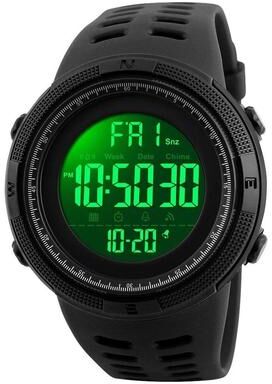
All Categories Goods Waterproof Chronograph Men's Digital Army Military Sport Quartz Analog Watch Waterproof Chronograph Men's Digital Army Military Sport Quartz Analog WatchDurable, Stylish, and Practical The Chronograph Men's Digital Army Military Sport Quartz Analog Waterproof Watch is designed for those who value both functionality and style. Featuring a sleek, militaryinspired design, this watch effortlessly...49,97 $*Shipping: 0,00 $Secure redirect to the provider
-
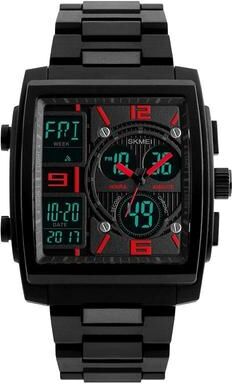
Everyday Crate SKMEI 1274 Digital Sports Watch Mens Waterproof Watch Analog Digital Outdoor Wristwatch redExperience reliable performance and sporty style with the SKMEI watch built for active men and everyday adventures. Combining analog and digital displays, this versatile timepiece keeps essential information at your fingertips while maintaining a...44,97 $*Shipping: 0,00 $Secure redirect to the provider
-
Uplift Essentials RGB Nixie Tube Clock IPS Color Screen Analog Glow Digital Desktop Decor RGB Nixie Tube Clock IPS Color Screen Analog Glow Digital Desktop DecorMerge vintage aesthetics with cuttingedge technology using our RGB Nixie Tube Clock. This stunning DIY analog digital timepiece reimagines the iconic 1950s nixie tube look by utilizing highdefinition IPS color screens housed within protective glass...196,97 $*Shipping: 0,00 $Secure redirect to the provider
-
Uplifted Trends Men Digital Analog Quartz Waterproof Luminous Sports Watch brgbUpgrade your everyday style with a timepiece built for confidence, comfort, and versatility. This NAVIFORCE men's watch combines classic analog hands with a modern digital display, creating a bold look for men who value both fashion and function....84,97 $*Shipping: 0,00 $Secure redirect to the provider



-
Are trophic levels and trophic levels the same thing in biology?
No, "trophic levels" and "trophic levels" are not the same thing in biology. "Trophic levels" refer to the hierarchical levels in an ecosystem based on an organism's position in the food chain, such as producers, primary consumers, secondary consumers, and so on. On the other hand, "trophic levels" appears to be a typographical error or a repetition of the term "trophic levels." In biology, it is important to use accurate and specific terminology to avoid confusion and miscommunication. **
-
Why do organisms become larger from trophic level to trophic level?
Organisms become larger from trophic level to trophic level due to the efficiency of energy transfer in ecosystems. As energy is transferred from one trophic level to the next, there is a loss of energy in the form of heat and metabolic processes. Larger organisms are able to consume more energy-rich food sources and have a more efficient metabolism, allowing them to grow in size as they move up the food chain. Additionally, larger organisms are better equipped to capture and consume prey, giving them a competitive advantage in obtaining energy and resources. **
-
Why do organisms get larger from trophic level to trophic level?
Organisms tend to get larger from one trophic level to the next because as energy is transferred up the food chain, there is a loss of energy at each level. This means that organisms at higher trophic levels need to consume larger quantities of organisms from lower trophic levels to obtain enough energy to sustain themselves. Additionally, larger organisms are more efficient at capturing and consuming prey, allowing them to thrive at higher trophic levels. Finally, larger organisms have a lower surface area to volume ratio, which helps them retain heat and energy more effectively. **
-
Why does the biomass decrease from trophic level to trophic level?
Biomass decreases from trophic level to trophic level because energy is lost as it moves through the food chain. Organisms at each trophic level use some of the energy they consume for their own metabolic processes, such as respiration and movement, and the rest is lost as heat. This means that there is less energy available to be passed on to the next trophic level, resulting in a decrease in biomass. Additionally, not all of the energy from one trophic level is consumed by the next level, as some is lost through waste and uneaten parts of organisms. **


What are trophic levels in biology?
Trophic levels in biology refer to the hierarchical levels in an ecosystem where organisms are grouped based on their feeding relationships. The primary producers, such as plants, are at the base of the trophic levels as they convert sunlight into energy through photosynthesis. Herbivores that feed on plants are at the next level, followed by carnivores that eat herbivores. Each trophic level represents a transfer of energy and nutrients through the ecosystem, with energy decreasing as it moves up the levels. **
What is the trophic level of omnivores?
Omnivores are organisms that consume both plants and animals, so their trophic level can vary. When they consume plants, they are considered primary consumers (herbivores) and when they consume animals, they are considered secondary consumers (carnivores). This means that omnivores can occupy multiple trophic levels within a food web, depending on their diet. **
Top-Angebote
Products related to Trophic:
-
Drop Dash Deals Men Digital Military Sport Watch, Waterproof Analog & LED Backlight Men Digital Military Sport Watch, Waterproof Analog & LED BacklightThis 1pc Men's Digital Military Sport Watch is designed for the man who enjoys the perfect combination of style and durability. Whether you're heading outdoors or working through intense workouts, this waterproof watch is built to withstand the...44,97 $*Shipping: 0,00 $Secure redirect to the provider
-
Multicon Wholesale Hub Military Sports Chronograph Waterproof Analog Digital Watch For Men Military Sports Chronograph Waterproof Analog Digital Watch For MenLooking for a timepiece thats as durable as it is stylish The Chronograph Men's Digital Army Military Sport Quartz Analog Waterproof Watch is perfect for men who demand performance, reliability, and versatility in one rugged design. With a robust...73,97 $*Shipping: 0,00 $Secure redirect to the provider
-
All Categories Goods Waterproof Chronograph Men's Digital Army Military Sport Quartz Analog Watch Waterproof Chronograph Men's Digital Army Military Sport Quartz Analog WatchDurable, Stylish, and Practical The Chronograph Men's Digital Army Military Sport Quartz Analog Waterproof Watch is designed for those who value both functionality and style. Featuring a sleek, militaryinspired design, this watch effortlessly...49,97 $*Shipping: 0,00 $Secure redirect to the provider
-
Everyday Crate SKMEI 1274 Digital Sports Watch Mens Waterproof Watch Analog Digital Outdoor Wristwatch redExperience reliable performance and sporty style with the SKMEI watch built for active men and everyday adventures. Combining analog and digital displays, this versatile timepiece keeps essential information at your fingertips while maintaining a...44,97 $*Shipping: 0,00 $Secure redirect to the provider
-
What are trophic levels and trophic structures?
Trophic levels refer to the hierarchical levels in an ecosystem through which energy and nutrients flow. They represent the feeding positions of different organisms in a food chain or food web. Trophic structures, on the other hand, describe the organization of these trophic levels within an ecosystem. This includes the distribution of energy and nutrients among different organisms, as well as the interactions and relationships between them. Overall, trophic levels and trophic structures are important concepts for understanding the flow of energy and nutrients in ecosystems and the dynamics of food chains and food webs. **
-
Are trophic levels and trophic levels the same in biology?
No, trophic levels and trophic levels are not the same in biology. Trophic levels refer to the hierarchical levels in an ecosystem based on an organism's position in the food chain, such as producers, primary consumers, secondary consumers, etc. On the other hand, trophic cascades are the indirect effects that occur when a change in one trophic level impacts other trophic levels in the ecosystem. Both concepts are important in understanding the dynamics of energy flow and interactions within ecosystems. **
-
Are trophic levels and trophic levels the same thing in biology?
No, "trophic levels" and "trophic levels" are not the same thing in biology. "Trophic levels" refer to the hierarchical levels in an ecosystem based on an organism's position in the food chain, such as producers, primary consumers, secondary consumers, and so on. On the other hand, "trophic levels" appears to be a typographical error or a repetition of the term "trophic levels." In biology, it is important to use accurate and specific terminology to avoid confusion and miscommunication. **
-
Why do organisms become larger from trophic level to trophic level?
Organisms become larger from trophic level to trophic level due to the efficiency of energy transfer in ecosystems. As energy is transferred from one trophic level to the next, there is a loss of energy in the form of heat and metabolic processes. Larger organisms are able to consume more energy-rich food sources and have a more efficient metabolism, allowing them to grow in size as they move up the food chain. Additionally, larger organisms are better equipped to capture and consume prey, giving them a competitive advantage in obtaining energy and resources. **
Similar search terms for Trophic
-
Uplift Essentials RGB Nixie Tube Clock IPS Color Screen Analog Glow Digital Desktop Decor RGB Nixie Tube Clock IPS Color Screen Analog Glow Digital Desktop DecorMerge vintage aesthetics with cuttingedge technology using our RGB Nixie Tube Clock. This stunning DIY analog digital timepiece reimagines the iconic 1950s nixie tube look by utilizing highdefinition IPS color screens housed within protective glass...196,97 $*Shipping: 0,00 $Secure redirect to the provider
-
Uplifted Trends Men Digital Analog Quartz Waterproof Luminous Sports Watch brgbUpgrade your everyday style with a timepiece built for confidence, comfort, and versatility. This NAVIFORCE men's watch combines classic analog hands with a modern digital display, creating a bold look for men who value both fashion and function....84,97 $*Shipping: 0,00 $Secure redirect to the provider
-
Shop Station Mens Stainless Steel Analog Digital Waterproof Sports Watch blueStay ready for busy days and active moments with a watch that combines rugged style with everyday functionality. This men's sports watch pairs analog and digital time displays for quick convenient reading. Its analog digital watch design includes...69,97 $*Shipping: 0,00 $Secure redirect to the provider
-
Shop Station Stainless Steel Analog Digital Sports Watch For Men blueUpgrade your everyday look with a watch built to balance rugged function and polished style. The SMAEL analog digital watch combines classic hands with a convenient digital display, giving active men versatile timekeeping at a glance. Its...69,97 $*Shipping: 0,00 $Secure redirect to the provider
-
Why do organisms get larger from trophic level to trophic level?
Organisms tend to get larger from one trophic level to the next because as energy is transferred up the food chain, there is a loss of energy at each level. This means that organisms at higher trophic levels need to consume larger quantities of organisms from lower trophic levels to obtain enough energy to sustain themselves. Additionally, larger organisms are more efficient at capturing and consuming prey, allowing them to thrive at higher trophic levels. Finally, larger organisms have a lower surface area to volume ratio, which helps them retain heat and energy more effectively. **
-
Why does the biomass decrease from trophic level to trophic level?
Biomass decreases from trophic level to trophic level because energy is lost as it moves through the food chain. Organisms at each trophic level use some of the energy they consume for their own metabolic processes, such as respiration and movement, and the rest is lost as heat. This means that there is less energy available to be passed on to the next trophic level, resulting in a decrease in biomass. Additionally, not all of the energy from one trophic level is consumed by the next level, as some is lost through waste and uneaten parts of organisms. **
-
What are trophic levels in biology?
Trophic levels in biology refer to the hierarchical levels in an ecosystem where organisms are grouped based on their feeding relationships. The primary producers, such as plants, are at the base of the trophic levels as they convert sunlight into energy through photosynthesis. Herbivores that feed on plants are at the next level, followed by carnivores that eat herbivores. Each trophic level represents a transfer of energy and nutrients through the ecosystem, with energy decreasing as it moves up the levels. **
-
What is the trophic level of omnivores?
Omnivores are organisms that consume both plants and animals, so their trophic level can vary. When they consume plants, they are considered primary consumers (herbivores) and when they consume animals, they are considered secondary consumers (carnivores). This means that omnivores can occupy multiple trophic levels within a food web, depending on their diet. **
* All prices are inclusive of VAT and, if applicable, plus shipping costs. The offer information is based on the details provided by the respective shop and is updated through automated processes. Real-time updates do not occur, so deviations can occur in individual cases. ** Note: Parts of this content were created by AI.